
How We Researched This Guide
This guide reflects publicly available regulatory and lending-industry information current as of the last review date above. Process stages, fee bands, and timelines described here follow RBI-regulated lending norms; exact fees, turnaround times, and conditions vary by lender and individual file, and should always be confirmed directly with your lender before applying.
The home loan process runs through nine sequential stages, from eligibility check to post-disbursement servicing. Sanction to disbursement typically takes 7 to 15 working days for a ready property, or 3 to 4 weeks for the first tranche under a Construction Linked Plan.
The home loan process in India runs through nine sequential stages, regardless of which lender or property is involved: eligibility, documentation, application, credit appraisal, technical and legal verification, sanction, agreement and registration, disbursement, and post-disbursement servicing. What varies — sometimes by weeks — is how disbursement itself is structured, because a ready-to-move unit releases funds in one lump sum against registration, while an under-construction development releases funds in tranches tied to verified construction progress. For a buyer evaluating a specific unit, the possession stage of that exact property is the single biggest determinant of how quickly the process actually closes.
The 2026 Process Landscape
Digitised underwriting, standardised RERA disclosures, and repo-linked rate resets have shortened the average sanction timeline over the past two years, but the process still runs on the same nine-stage backbone that governed home lending a decade ago.
The Nine-Stage Home Loan Process
Every home loan in India — public sector bank, private bank, or housing finance company — moves through the same underlying sequence. The stage names below are the industry-standard terms used across lender documentation.
-
Eligibility & Pre-Qualification
The lender runs a preliminary check on age, income, employment stability, and existing obligations to determine the maximum loan amount and tenure a borrower can realistically qualify for, before any property is finalised.
-
Document Collection
Identity proof, address proof, PAN, income documents (salary slips or ITRs for the self-employed), six months of bank statements, and photographs are compiled. Self-employed applicants typically submit an additional 3–4 documents covering business continuity and audited financials.
-
Formal Application & Login
The application is formally logged with the lender, often against a login or application fee that is later adjusted against the processing fee. This is the point at which the file receives a reference number and enters the underwriting queue.
-
Credit Appraisal & Verification
The lender pulls the CIBIL or equivalent credit report, verifies income through employer or bank confirmation, and computes the Fixed Obligation to Income Ratio to confirm affordability. A field verification visit to the applicant's residence or workplace is standard at this stage.
-
Property Technical & Legal Verification
An empanelled technical valuer inspects the property or, for under-construction units, the sanctioned building plan and construction progress. A separate legal team examines the title chain, encumbrance certificate, and RERA registration to confirm the property is free of dispute.
-
Sanction Letter
Once appraisal and verification clear, the lender issues a sanction letter specifying the approved loan amount, tenure, interest rate, and any conditions precedent to disbursement. This is not yet money in hand — it is a formal commitment.
-
Loan Agreement & Registration
The borrower executes the loan agreement, and post-dated cheques or an e-mandate for EMI collection are set up. For a fresh purchase, this stage typically runs in parallel with the property's own sale deed registration.
-
Disbursement
Funds are released either as a single lump sum against registration for a ready or possession-started property, or in tranches under a Construction Linked Plan for an under-construction unit, with each tranche tied to a verified milestone.
-
Post-Disbursement Servicing
EMI begins — either immediately on full disbursement, or as interest-only pre-EMI during the construction phase. This stage also covers any future foreclosure, part-payment, or balance transfer the borrower initiates.
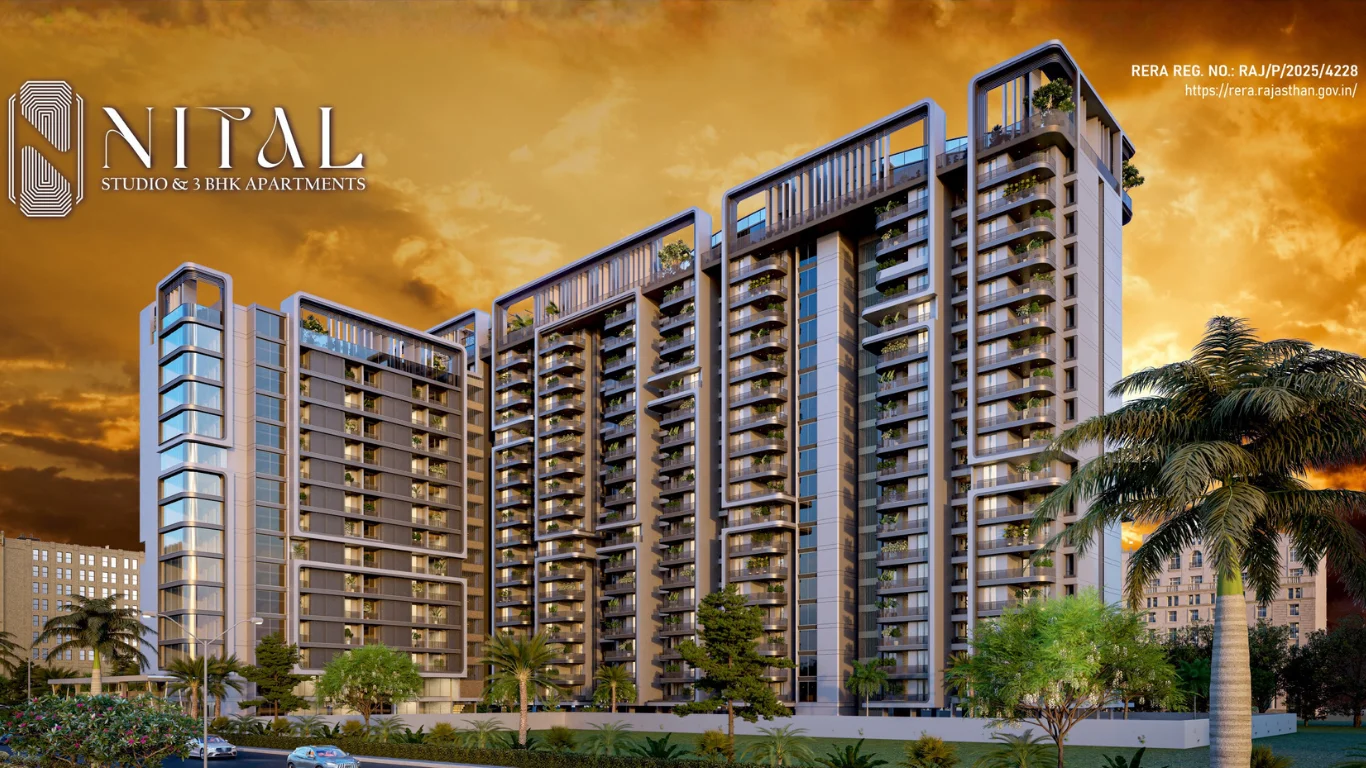
Nital, Ajmer Road — Under Construction
Financed through a Construction Linked Plan, with each tranche released against a certified construction milestone — the exact disbursement mechanics covered above.
Explore Nital →Processing Fees Across Major Lenders
The processing fee is the cost buyers most frequently underestimate, because it is quoted as a percentage while the actual cash outflow is a fixed rupee figure due upfront. Public sector banks generally price lower than private banks and HFCs, though promotional waivers shift the picture through the year.
| Lender Category | Indicative Processing Fee | Notes |
|---|---|---|
| SBI | ~0.25% (tiered by loan slab) | Among the lowest in the public sector; periodic full waivers during promotional windows |
| Bank of Baroda / PNB | ~0.25%–0.50%, capped | Often capped at a fixed rupee ceiling regardless of loan size |
| HDFC Bank | Up to ~0.50% | Standard private-bank band; separate legal and technical charges apply |
| ICICI Bank / Axis Bank | ~0.50%–1.00% | Higher for self-employed and non-salaried applicants |
| Housing Finance Companies | ~0.50%–1.50% | Widest band; reflects faster approval and more flexible income assessment |
Figures are indicative industry bands for 2026 and change frequently with promotional waivers. Confirm the exact fee, GST, and cap directly with the lender before applying.
Need Help Comparing Lenders?
Our financing desk can walk you through fee bands and sanction timelines for the lender that fits your profile.
Realistic Timelines by Stage
| Stage | Typical Duration | What Speeds It Up |
|---|---|---|
| Eligibility to application | 1–2 days | Pre-approved offer from an existing banking relationship |
| Document collection | 2–5 days | Digitally signed payslips and pre-linked bank statements |
| Credit appraisal & verification | 3–7 days | CIBIL score above 750, stable employment history |
| Technical & legal verification | 3–10 days | RERA-registered project with a clean, pre-vetted title chain |
| Sanction to disbursement (ready unit) | 7–15 days | Registration scheduled and coordinated in advance with the lender |
| First CLP tranche (under construction) | 3–4 weeks | Construction milestone already certified by the developer's structural engineer |
Who Moves Through the Process Fastest
The Salaried Applicant with a Banking Relationship
Existing salary account holders with the same bank often receive a pre-approved offer, collapsing eligibility and appraisal into a single step and cutting the overall timeline by nearly half.
The Self-Employed Applicant
Requires additional business continuity and audited financial documents, which typically adds 5–7 days to the appraisal stage regardless of income size.
The RERA-Ready Buyer
Buying into a project with an already-verified RERA registration and a clean title chain — the norm for an established developer's ongoing or completed inventory — removes the single largest variable in the legal and technical verification stage.
The Balance Transfer Applicant
Skips eligibility and technical verification almost entirely, since the property and borrower profile are already established; the process reduces largely to fresh credit appraisal and a shorter agreement stage.
Ending a Loan Correctly: Foreclosure, Closure & Transfer
Foreclosure
Foreclosure means repaying the entire outstanding principal before the scheduled tenure ends. On a floating-rate loan to an individual borrower, RBI direction prohibits any foreclosure penalty — the only cost is the outstanding principal itself.
Closure Process
Once the final payment clears, the lender is required to issue a No Objection Certificate and release the original property documents — typically the sale deed, and where applicable the encumbrance certificate — within a fixed regulatory window, generally 15 to 30 days. Borrowers should independently confirm the lien on the property record has been formally lifted, not just assume it from the NOC alone.
Transfer Process
A balance transfer requires a List of Documents and a foreclosure letter from the existing lender, a fresh sanction from the new lender at the improved rate, and a coordinated same-day settlement where the new lender pays off the old one and takes custody of the property documents. The gap between requesting the foreclosure letter and the new lender's disbursement is usually the process's tightest timing window and worth confirming in writing with both lenders in advance.
The Process Mapped to an Aashish Group Residence
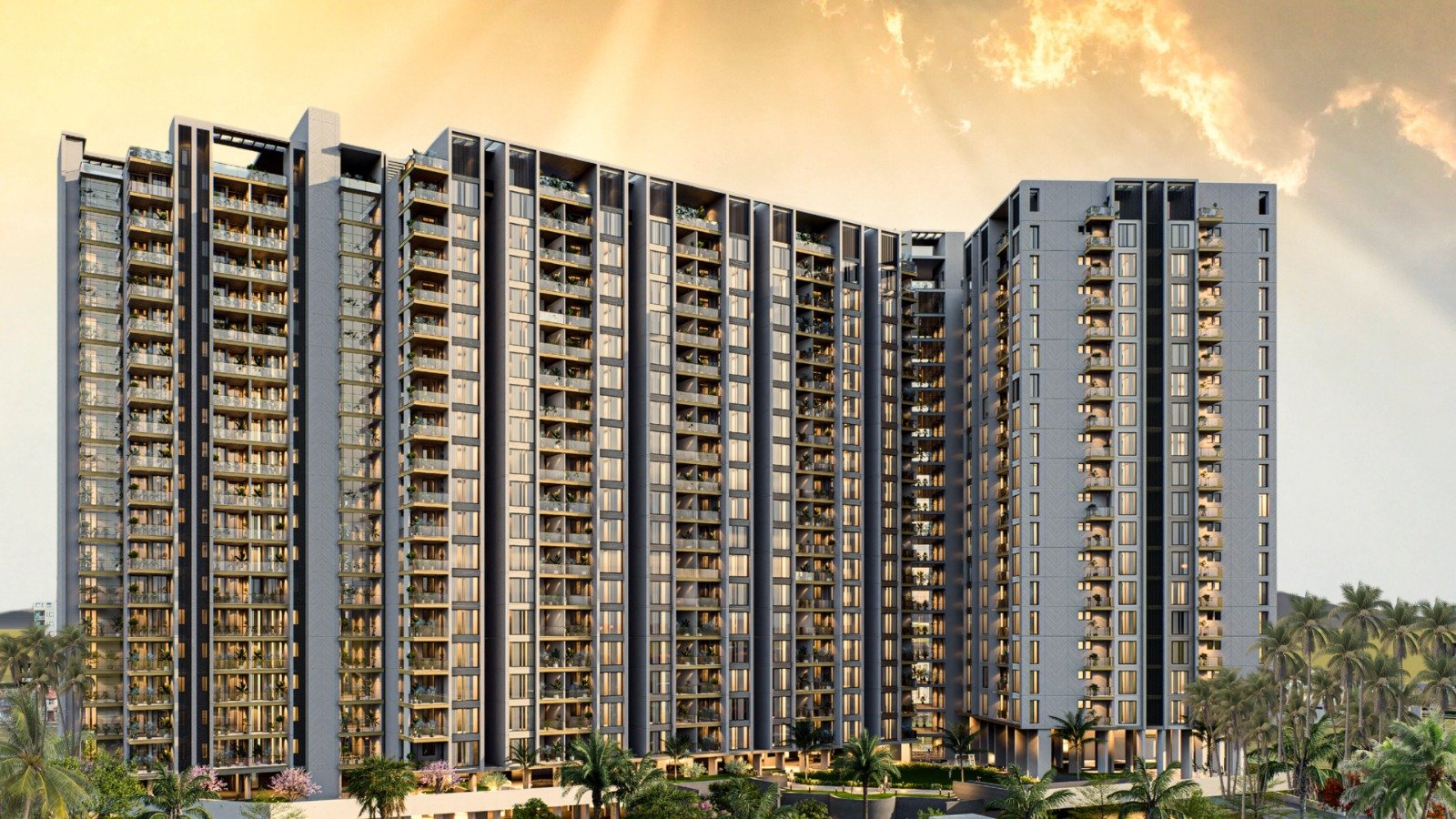
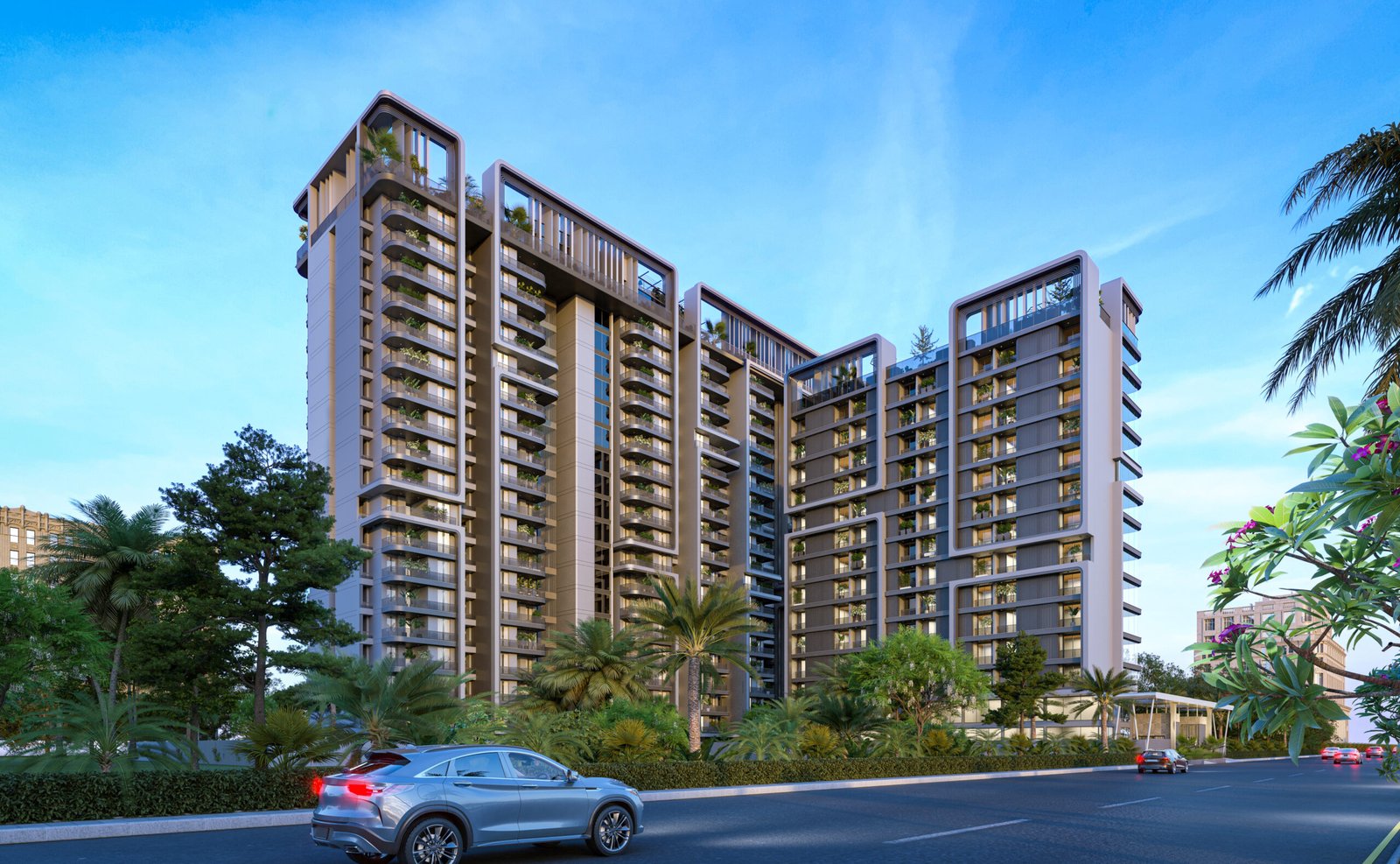
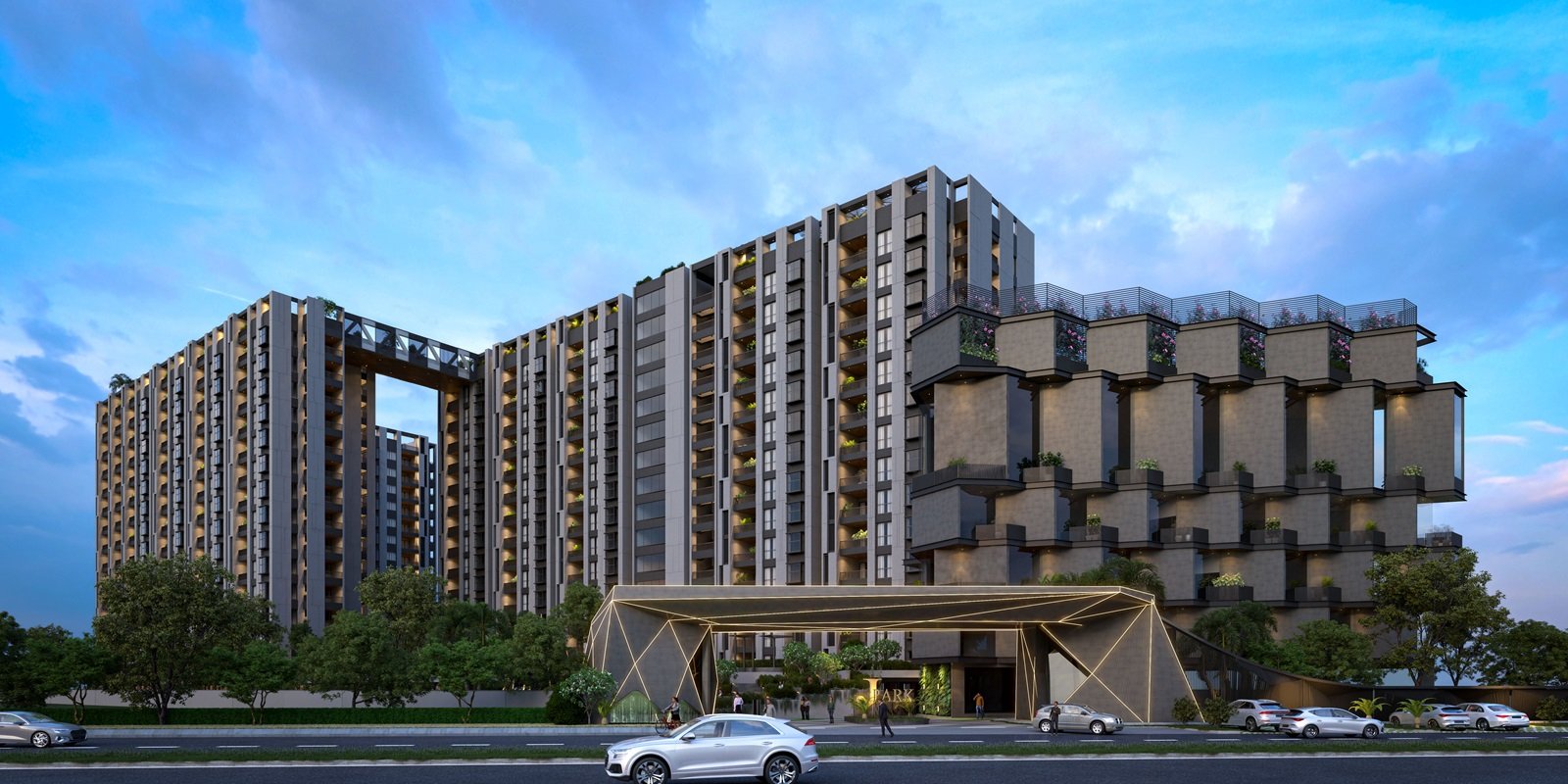
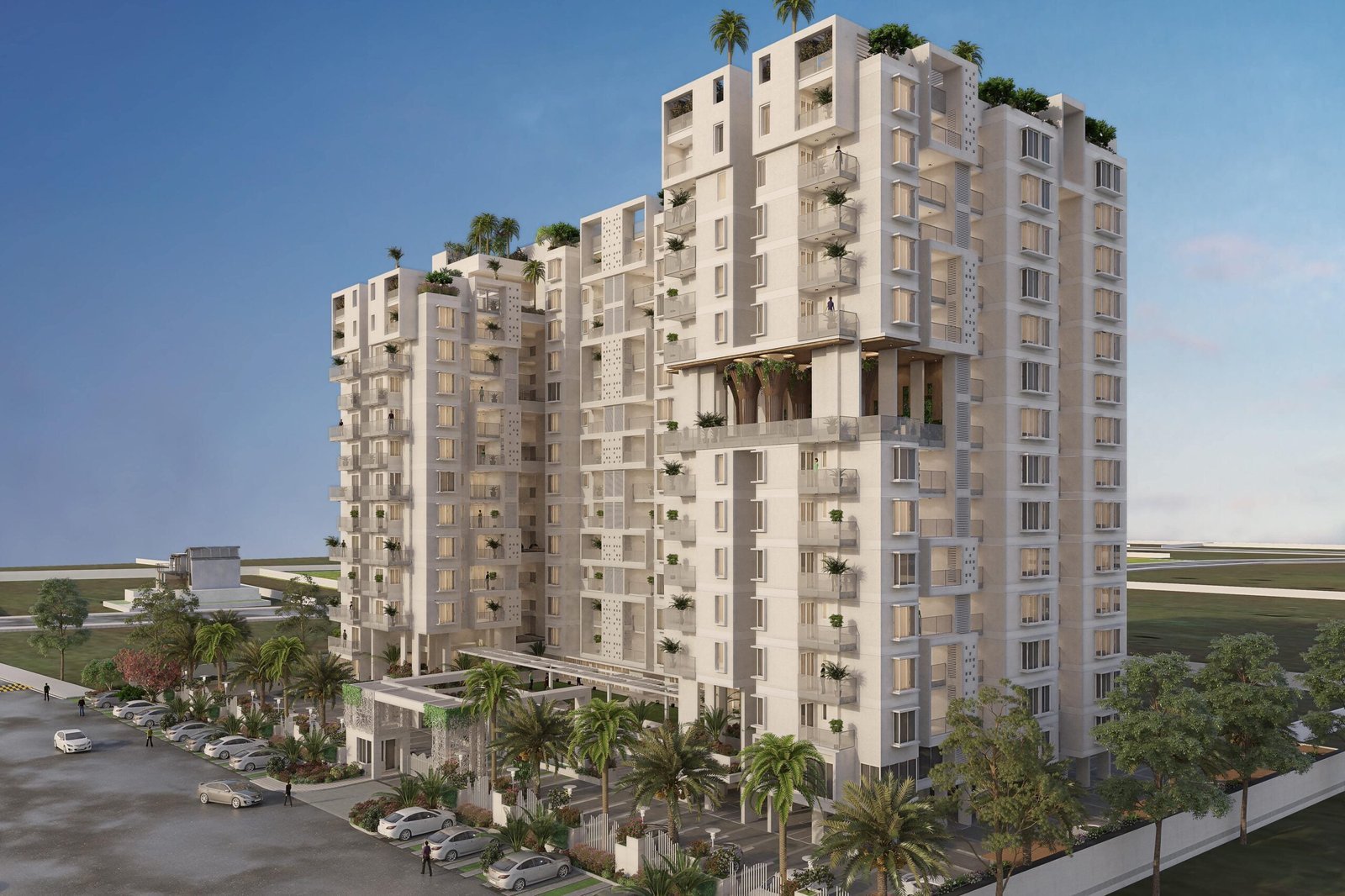
The nine stages above play out differently depending on exactly where a specific project sits in its build cycle. Aashish Group's own portfolio across Jaipur — spanning Ajmer Road, Mansarovar Extension, Patrakar Colony, and Jaisinghpura Bhankrota — illustrates all three scenarios a buyer is likely to encounter.
Financing follows a Construction Linked Plan. Technical verification checks the sanctioned plan and current construction stage against the RERA-filed timeline, and disbursement releases in tranches as each stage is certified — so the appraisal and legal-verification stages carry more weight here than at a completed project.
Also structured as a CLP, but with a longer runway to final possession. Buyers financing a unit here typically see pre-EMI (interest-only) payments through the build period, converting to full EMI only once the final tranche releases at handover.
With handover already underway, the technical verification stage is materially lighter — the unit is inspected as a finished asset rather than a work in progress — which is what allows disbursement to move to a single lump sum against registration rather than staged tranches.
Fully delivered inventory in Mansarovar Extension and Jaisinghpura Bhankrota moves through the fastest version of the process: the title chain and RERA closure are already established, the technical valuation is a straightforward inspection, and disbursement is a single registration-linked payment — the scenario closest to the 7–15 day timeline cited above.
Because the disbursement mechanics differ this much by possession stage, it's worth confirming — before finalising a lender — exactly which stage the specific unit under consideration falls into, rather than assuming one project's process timeline applies uniformly across a developer's entire portfolio.
Pre-Application Checklist
- Credit PositionPull your own CIBIL report before applying — errors are common, and a score above 750 meaningfully improves both rate and approval speed.
- Document ReadinessAssemble all 12–15 documents before submitting the application; missing paperwork is the single most common cause of stage delay.
- Possession StageConfirm whether the specific unit is under construction, possession-started, or fully delivered — this determines the entire disbursement structure.
- RERA VerificationIndependently verify the project's RERA registration and completion timeline rather than relying solely on the developer's representation.
- Fee TransparencyGet the processing fee, GST, and any legal/technical charge confirmed in writing — not just the headline percentage — before signing the application form.
- Pre-ApprovalAsk your existing bank about a pre-approved offer first; an established banking relationship can materially shorten the appraisal stage.
- Rate LockConfirm whether the sanctioned rate is locked for a defined period or subject to change before disbursement, especially if registration is likely to be delayed.
- Closure DisciplineIf closing an existing loan via transfer or foreclosure, get the NOC and document-release timeline in writing before initiating the final payment.
Frequently Asked Questions
The home loan process moves through nine stages: eligibility check, document collection, formal application, credit appraisal, property technical and legal verification, sanction letter, loan agreement and registration, disbursement, and post-disbursement servicing. Every RBI-regulated lender follows this same sequence, though the exact documentation and turnaround time vary by lender and applicant profile.
For a ready-to-move property with complete documentation, sanction to disbursement typically takes 7 to 15 working days; for an under-construction unit on a Construction Linked Plan, the first tranche usually takes 3 to 4 weeks. Self-employed applicants and projects with an incomplete title chain typically add another 5–10 days to this baseline.
A home loan processing fee is a one-time, largely non-refundable charge covering a lender's administrative, legal, and technical verification costs, typically 0.25% to 1% of the loan amount plus GST. Public sector banks generally price at the lower end of this band, and the fee is frequently discounted or waived entirely during promotional cycles — always confirm the current rate directly with the lender.
Lenders typically require identity and address proof, PAN card, income documents such as salary slips or ITRs, six months of bank statements, property documents including the sale agreement, and a photograph — roughly 12 to 15 documents in total. Self-employed applicants submit additional business continuity and audited financial records.
Foreclosure means repaying the full outstanding loan before tenure ends, free of charge on floating-rate loans to individuals, after which the lender must issue a No Objection Certificate and return original property documents within 15 to 30 days. Borrowers should independently confirm the lien has been formally lifted from the property record, not just rely on the NOC.
A home loan transfer moves an existing loan to a new lender for a better rate, requiring a foreclosure letter from the current lender, a fresh sanction from the new one, and a coordinated settlement transferring both the outstanding principal and the property documents. The tightest part of the timeline is usually the gap between requesting the foreclosure letter and the new lender's disbursement — worth confirming in writing with both sides in advance.
Related & Explore


Know Exactly Where Your Loan Stands
Every Aashish Group residence sits at a different possession stage, which changes the disbursement structure your loan will follow. Our advisory desk can map the process against the specific unit you're evaluating — Nital, J Park, Utpal, Aamor, or Govardhan Heights — before you finalise a lender.
Talk to Our Financing DeskThis guide is educational and does not constitute financial advice. Loan approval, rate, fee, and timeline are subject to individual lender assessment.