
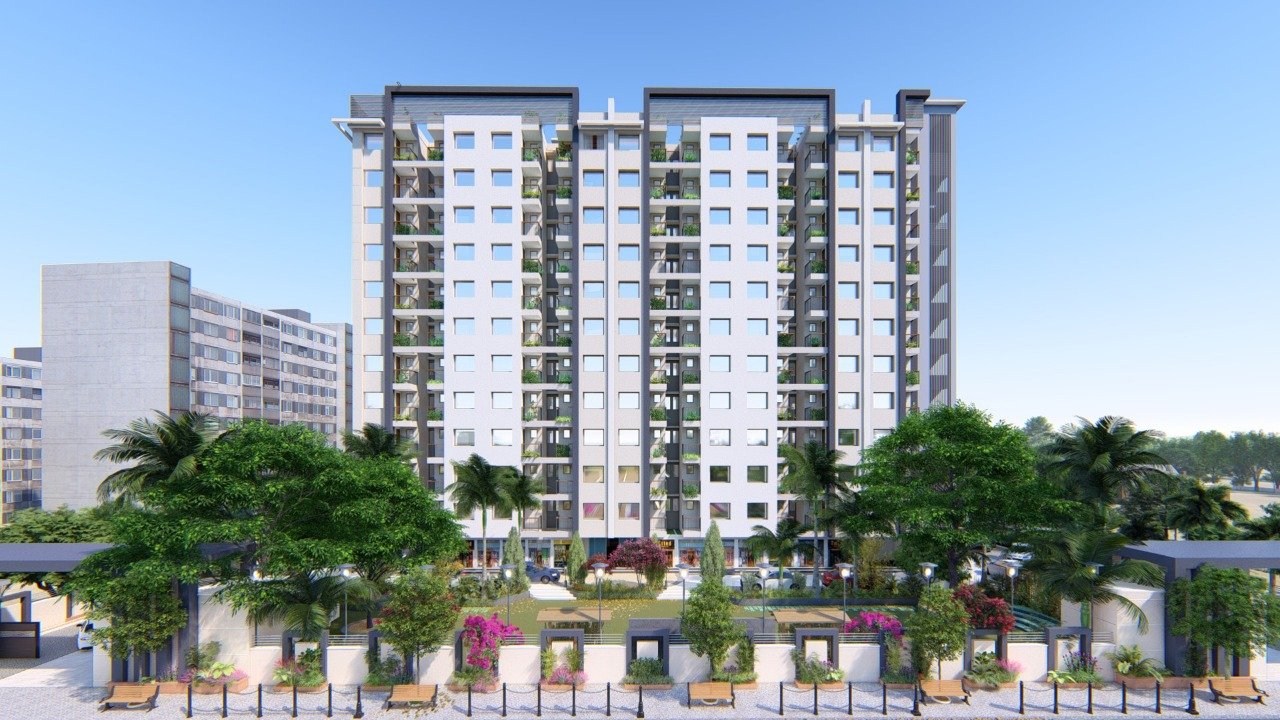
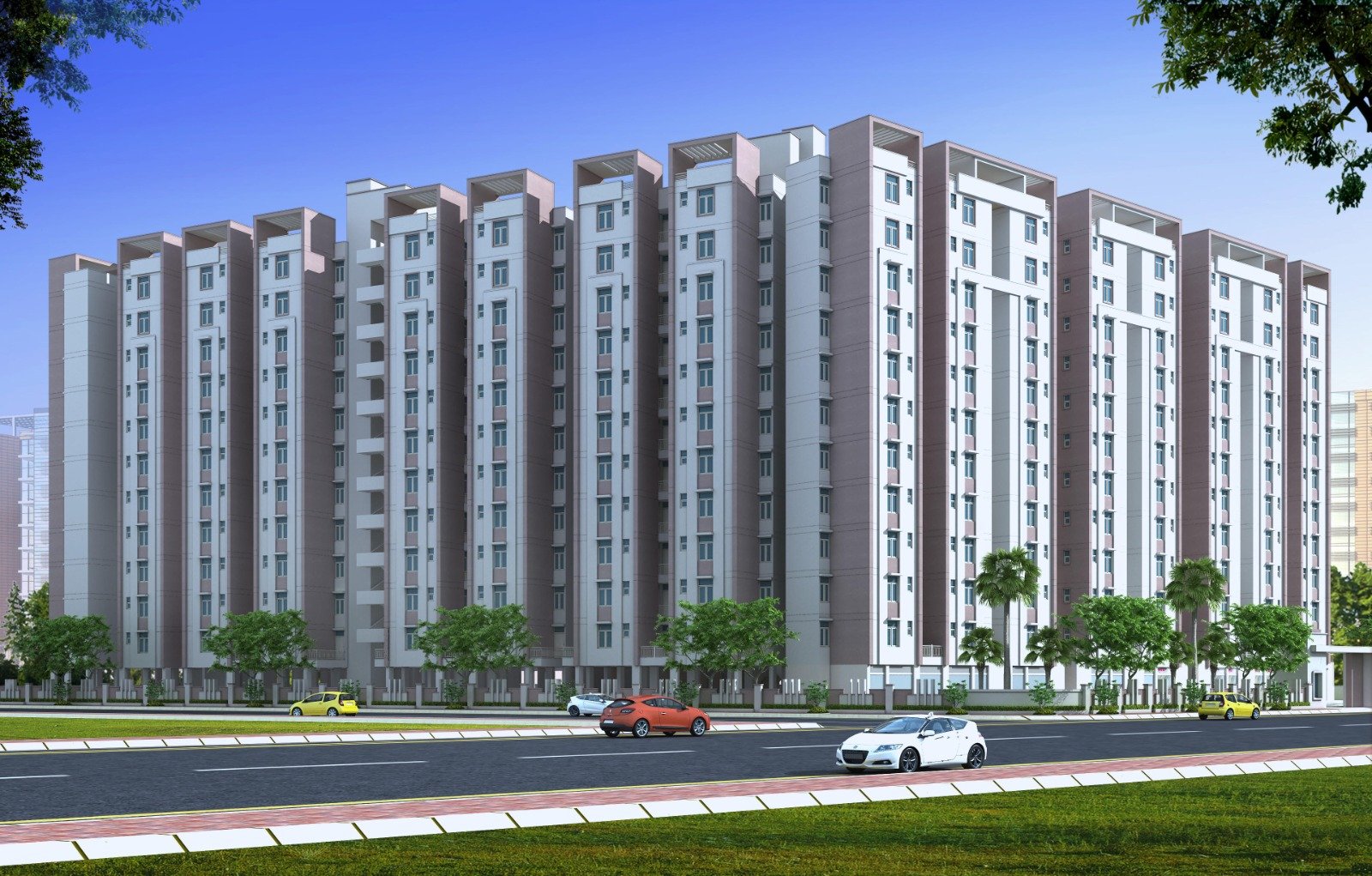

How We Researched This Guide
This guide reflects publicly available regulatory and lending-industry information current as of the last review date above. Loan categories, tenure ceilings, and rate structures described here follow RBI-regulated lending norms; exact rates, eligibility, and terms vary by lender and individual credit profile, and should always be confirmed directly against your sanction letter.
A home loan is credit extended by a bank or housing finance company to fund the purchase, construction, or renovation of a residential property, secured against that property and repaid over a fixed tenure — typically up to 30 years — through monthly EMIs.
Home financing in India is not a single product — it is a portfolio of seven structurally distinct instruments, each engineered for a different acquisition scenario: outright purchase, self-construction, land banking, renovation, structural extension, refinancing, and non-resident ownership. The Reserve Bank of India's external benchmark lending rate (EBLR) framework means floating rates now move in near-lockstep with the repo rate, currently held at 5.25%–6.00% through 2026's policy cycle, which has kept EMI volatility comparatively low for the first time in several years. For a buyer evaluating a premium residence, the decision that matters most is rarely "which bank" — it is "which loan category matches the exact stage and structure of the asset being acquired."
The 2026 Lending Landscape
Six macro shifts define home loan structuring in India this year: near-universal repo-linking, tighter loan-to-value discipline, zero-penalty floating-rate prepayment, longer maximum tenures, faster digital disbursement, and a widening rate gap between purchase loans and every other category.
The Seven Structural Categories of Home Financing
Every home loan product marketed in India — regardless of the brand name a lender attaches to it — resolves into one of the following seven categories. The distinctions are not cosmetic; they govern disbursement pattern, tax treatment, and rate positioning.
1. Home Purchase Loan
The baseline instrument, used to acquire a ready-to-move or under-construction residential unit. It anchors the lowest rate a lender will quote and carries the longest available tenure, up to 30 years. For under-construction inventory, disbursement follows a Construction Linked Plan (CLP) — funds release in tranches tied to verified construction milestones, and the borrower pays interest-only "pre-EMI" until the final tranche, at which point full EMI begins.
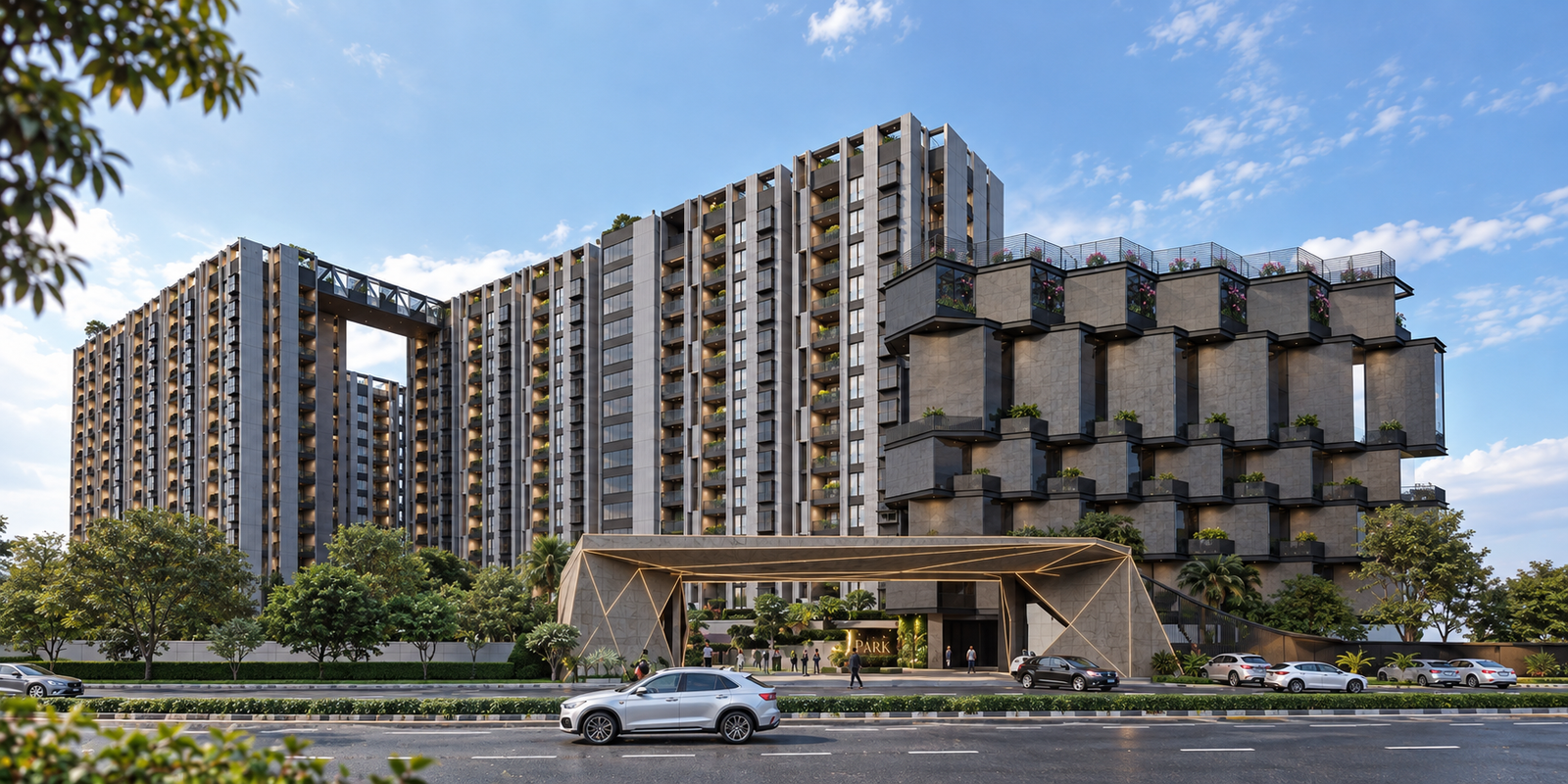
Explore Our Premium Residences
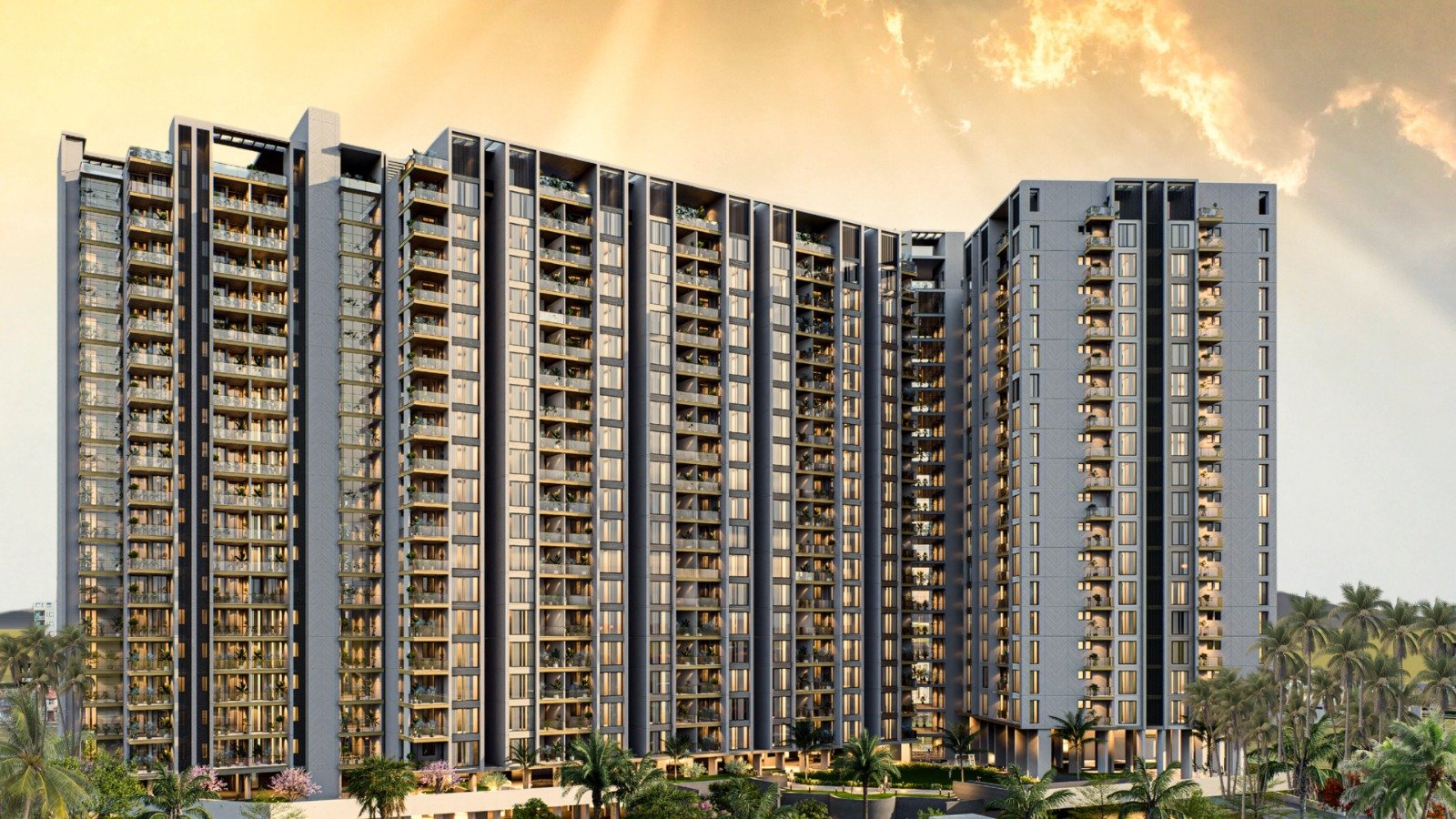
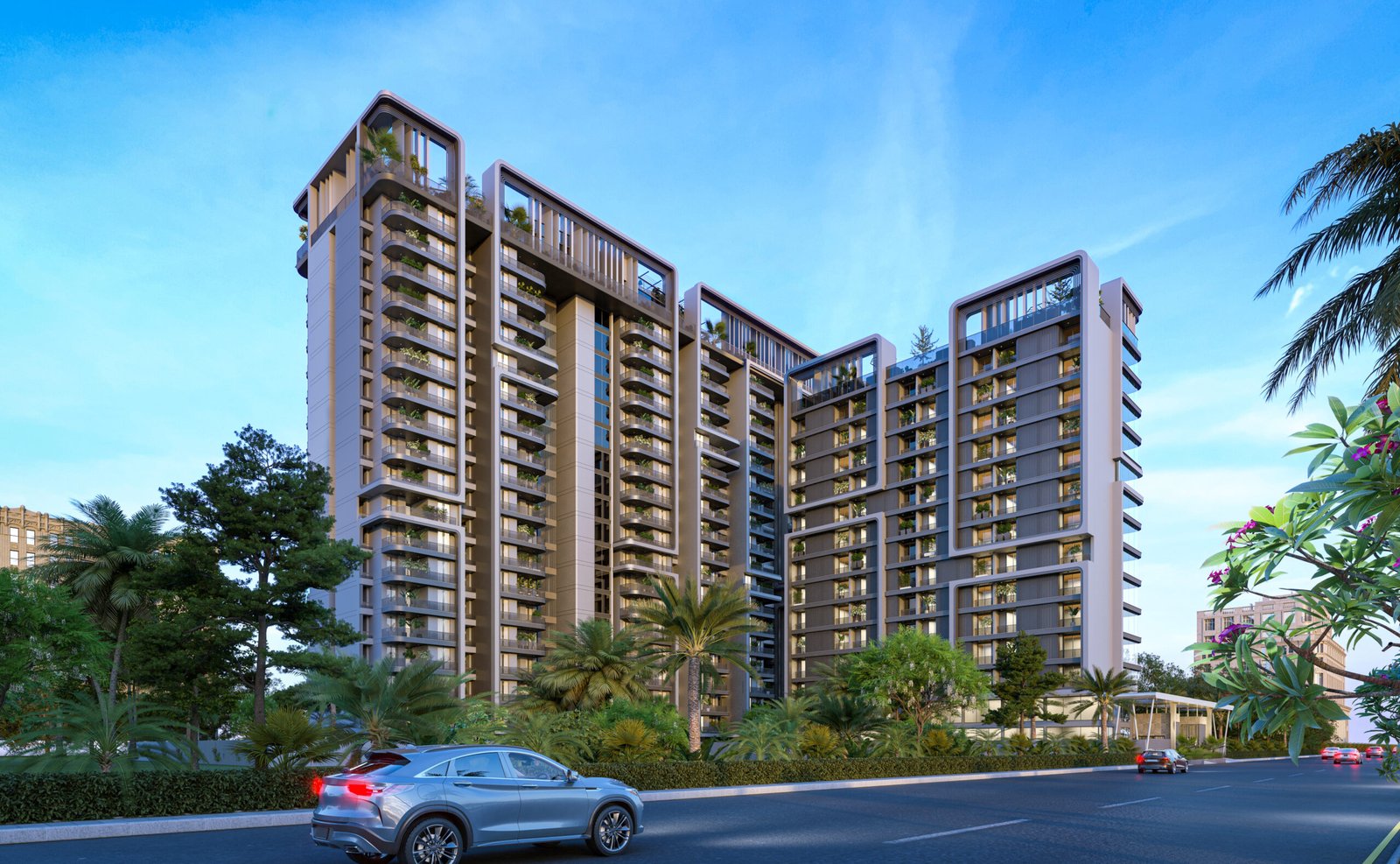
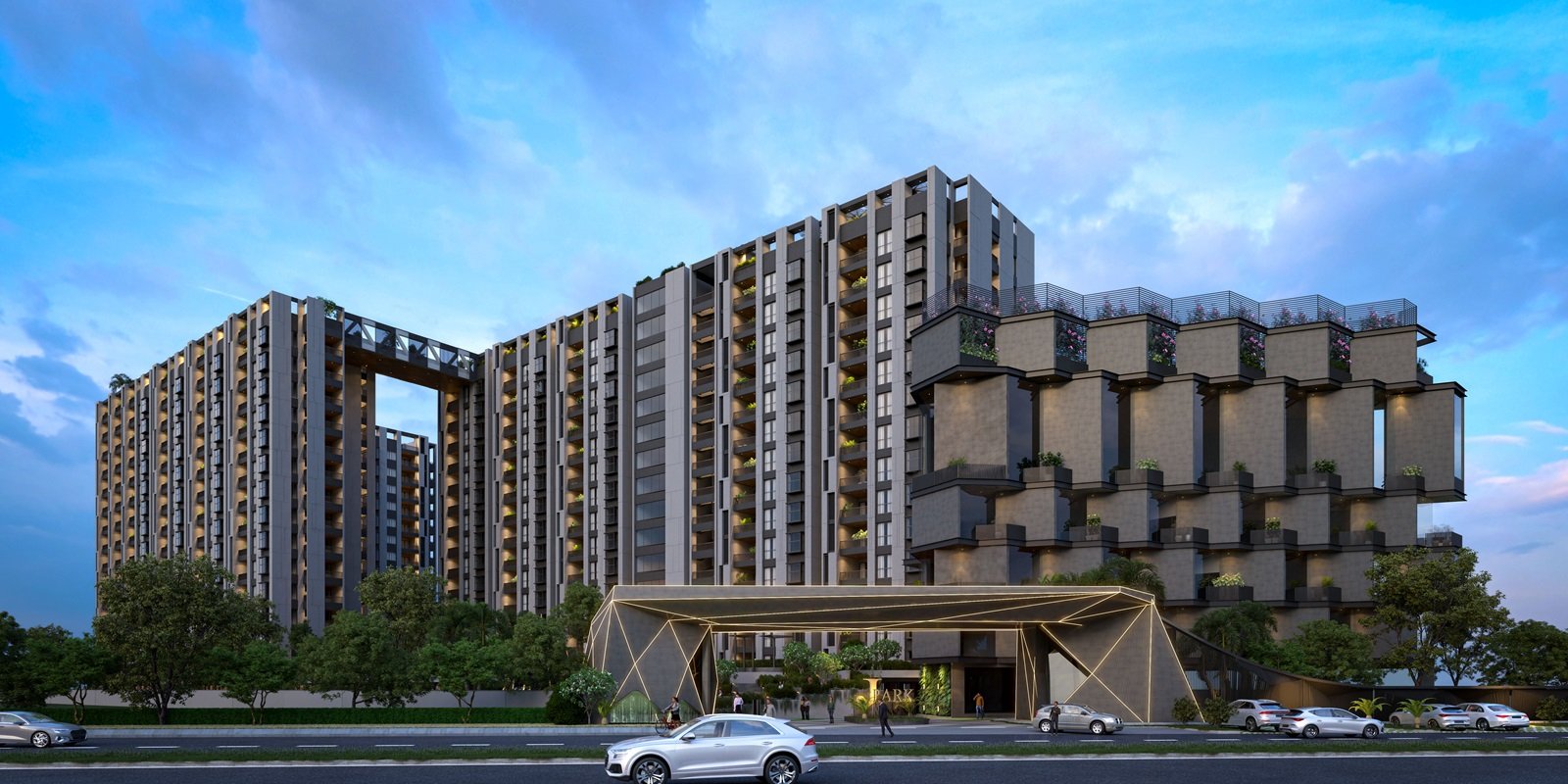
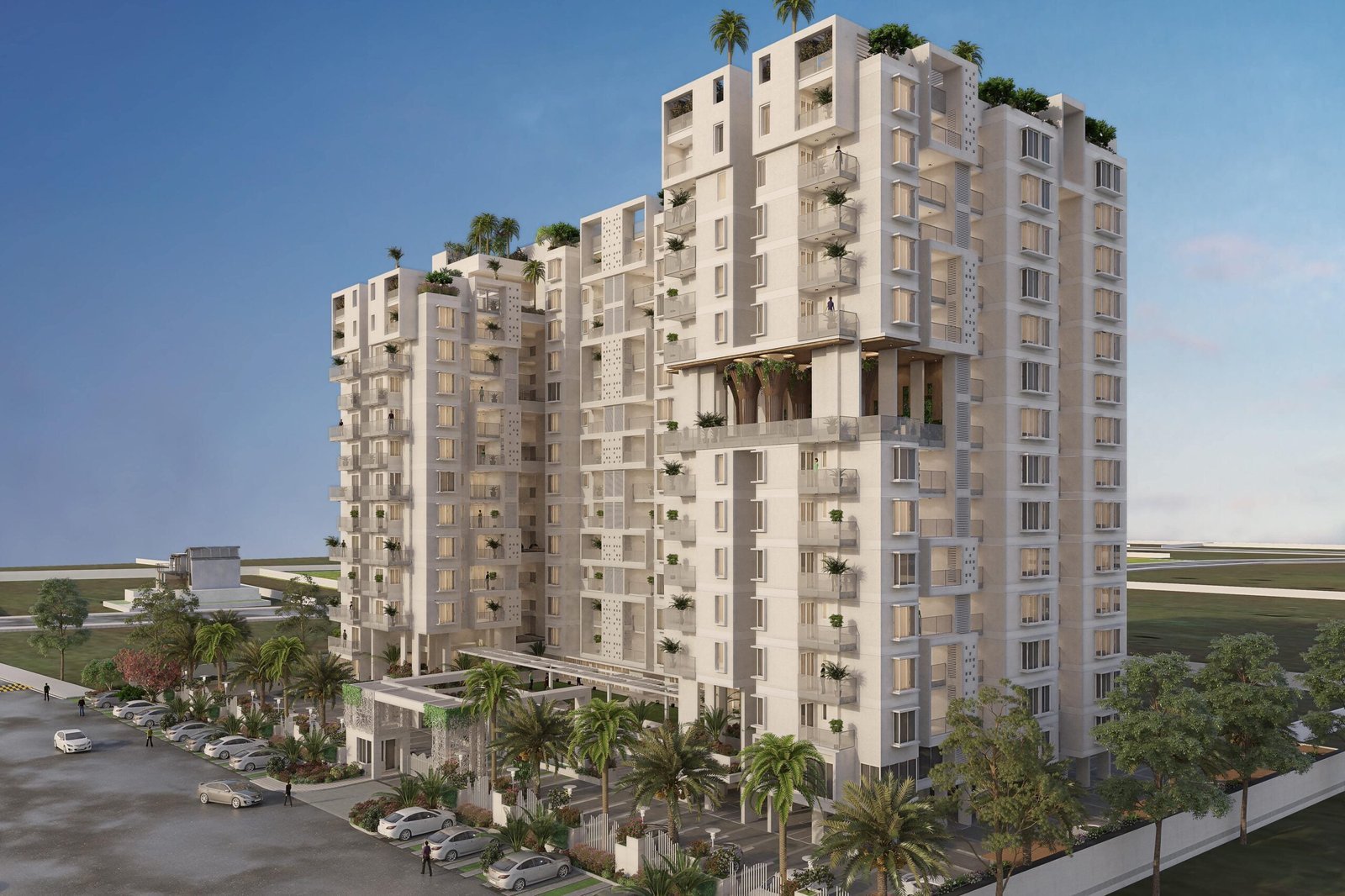
A Home Purchase Loan under a Construction Linked Plan is exactly how buyers at Aashish Group's active residential developments structure their financing today.
View Project →In practice, the CLP structure is the single biggest source of buyer confusion on a first purchase. Pre-EMI payments feel deceptively light early on, and buyers who don't model the jump to full EMI at possession sometimes book more unit than their post-handover budget comfortably supports. Model the full-EMI number before you sign, not the pre-EMI one.
2. Home Construction Loan
Financing for a borrower who already owns a plot and intends to build independently, rather than purchase from a developer. Lenders require an approved building plan, a registered engineer's cost estimate, and stage-wise inspection before each disbursement — foundation, superstructure, roofing, finishing. Documentation is heavier than a purchase loan, and rates typically sit 10–25 basis points above the lender's best purchase-loan rate.
3. Land (Plot) Purchase Loan
Restricted to residential plots within an approved layout — never agricultural land. Loan-to-value is deliberately conservative, often capped near 70% against the purchase loan's 75–90%, because the asset alone offers no built structure as security. Section 24 tax benefits on interest paid apply only after construction is completed within the lender's stipulated window, typically two to three years.
4. Home Improvement Loan
Designed for a borrower who already owns the property and needs capital for renovation — flooring, waterproofing, electrical rewiring, structural repair, or fixture upgrades. Tenure is shorter than a fresh purchase loan, commonly capped near 15 years, and the ticket size is usually a fraction of the property's value.
5. Home Extension Loan
Finances the addition of a new floor, room, or wing to an existing structure. Underwriting mirrors a construction loan — staged disbursement against verified progress — but the loan sits against an asset the borrower already holds equity in, which can moderate the rate relative to a pure construction loan.
6. Balance Transfer (Refinance) Loan
Moves an existing home loan from one lender to another to capture a lower rate, better service terms, or an additional top-up amount. Because floating-rate loans to individuals carry no prepayment penalty under RBI direction, a transfer becomes financially rational whenever the rate differential exceeds roughly 40–50 basis points net of transfer costs, which typically run 0.5%–1% of the outstanding principal.
7. NRI Home Loan
Structurally identical to a resident purchase loan in terms of LTV and rate positioning, but layered with additional compliance: repayment must route through an NRE, NRO, or FCNR account, income is verified through overseas employment documentation, and execution in India is typically handled through a registered Power of Attorney. Maximum tenure is often capped a few years shorter than the resident ceiling, reflecting the borrower's retirement horizon abroad.
An eighth, non-standalone instrument worth noting: the Top-Up Loan, an additional facility layered on an existing home loan for any legitimate purpose, priced well below a personal loan and often cited separately from the seven core categories above — which is why some lender literature lists "six types" while the fuller industry classification lists seven.
Comparison Matrix: Purpose, Tenure, and Rate Positioning
| Loan Type | Primary Purpose | Typical Max Tenure | Indicative LTV | Rate vs. Purchase Loan | Disbursement Pattern |
|---|---|---|---|---|---|
| Home Purchase | Buy built / under-construction unit | 30 years | 75%–90% | Baseline | Lump sum or CLP tranches |
| Construction | Build on owned plot | 20–30 years | 75%–80% | +10–25 bps | Staged, per milestone |
| Land Purchase | Buy residential plot only | 15–20 years | ~70% | +25–50 bps | Lump sum |
| Home Improvement | Renovate owned property | Up to 15 years | Varies by ticket size | +15–35 bps | Lump sum or staged |
| Home Extension | Add floor / room to existing home | 15–20 years | 75%–80% | +10–25 bps | Staged, per milestone |
| Balance Transfer | Refinance existing loan | Residual of original tenure | Based on outstanding + top-up | −25–75 bps (rate arbitrage) | Lump sum settlement |
| NRI Home Loan | Resident-equivalent purchase for NRIs | 20–25 years | 75%–85% | Comparable to baseline | Lump sum or CLP tranches |
Figures are indicative industry bands for 2026 and vary by lender, credit profile, and loan quantum. Always confirm exact terms in the sanction letter.
Not sure which loan fits your budget?
Tell us the unit and possession stage you're evaluating — we'll map it to the right financing structure.
Fixed vs. Floating: The Rate Structure Decision
Floating (Repo-Linked) Rate
The default structure for the overwhelming majority of Indian home loans since the RBI mandated external benchmark linking. The rate resets each time the RBI's Monetary Policy Committee moves the repo rate, reviewed roughly every two months. Floating-rate loans to individual borrowers carry no foreclosure or prepayment penalty under RBI direction — a material advantage for anyone who may refinance, sell, or accelerate repayment.
Fixed Rate
Locks the EMI for a defined period, typically two to three years before a mandatory reset, insulating the borrower from rate volatility at the cost of a premium — usually 75–150 basis points above the equivalent floating rate. It suits borrowers on a fixed, non-escalating income who prioritise budget certainty over long-run cost.
Hybrid Structure
A smaller segment of lenders offer an initial fixed period — commonly two to five years — that converts automatically to floating thereafter, giving early-tenure certainty without a permanent rate premium.
Who Should Choose What: Buyer Profiles
The First-Time Premium Homebuyer
Salaried, typically 28–42, acquiring a first owned residence. A standard Home Purchase Loan at the longest available tenure minimises EMI pressure early in the income curve, and a floating rate captures any downward rate movement over a 20–30 year horizon.
The Land-to-Build Investor
Buys a residential plot first, builds independently on a timeline. Requires a Land Purchase Loan initially, converting into a Construction Loan once the building plan is sanctioned — structured as two linked facilities rather than one.
The Portfolio Upgrader
Already holds a home loan and either wants a lower rate or additional capital. A Balance Transfer, often bundled with a Top-Up Loan, is the rational move whenever the rate differential clears transfer costs within roughly 18–24 months.
The Non-Resident Investor
Based abroad, acquiring or retaining property in India. The NRI Home Loan is the only structurally compliant route, with repayment routed through an NRE/NRO account and execution typically handled via a registered Power of Attorney.
The Established Owner Enhancing an Asset
Owns a completed property and wants to renovate or add space rather than relocate. A Home Improvement or Home Extension Loan — sized to the specific scope of work rather than the property's full value — keeps the ticket size and tenure proportionate to the actual spend.
Matching Loan Structure to a Property's Possession Stage
The single most common structuring error is selecting a loan product independent of the specific unit's construction status. The right instrument — and the right disbursement schedule — is determined entirely by where the asset stands in its build cycle, a distinction that matters as much in Jaipur's active growth corridors as anywhere else in India.
Under Construction
Developments still mid-build — the kind found along fast-developing corridors such as Ajmer Road or Mansarovar Extension — are financed through a Home Purchase Loan structured as a Construction Linked Plan. Disbursement releases in tranches against verified construction milestones, and the borrower pays interest-only pre-EMI until the final tranche, which typically aligns with possession.
Possession Started
Once a project has moved into active handover, full disbursement is released against registration, and standard EMI begins immediately — a materially faster path from sanction to full loan closure than a CLP structure.
Fully Delivered
Completed developments with possession already granted allow the most straightforward financing path: registration-linked lump-sum disbursement, and — for a buyer acquiring from an existing owner — the cleanest scenario for evaluating a Balance Transfer if the seller's existing loan terms are favourable.
Pre-Decision Checklist
- Credit PositionConfirm your CIBIL score before rate negotiation — a score above 750 typically unlocks the lender's best-published rate band.
- Category MatchMatch the loan category to the unit's exact possession status — under construction, possession started, or fully delivered — before signing anything.
- Regulatory CheckVerify the project's RERA registration number independently and cross-reference the disbursement schedule against the RERA-filed completion timeline.
- AffordabilityCompute your Fixed Obligation to Income Ratio — most lenders cap total EMIs at 50% of net monthly income.
- Rate StructureDefault to floating unless your income is fixed and non-escalating; the zero-prepayment-penalty rule only applies to floating-rate individual loans.
- Refinance MathRun the Balance Transfer calculation if any lender quotes a rate 40–50 basis points below your current one, net of transfer costs.
- True CostPrice the full cost stack — processing fee, legal verification, technical valuation — not just the headline interest rate.
- NRI DocumentationIf applying as an NRI, confirm your Power of Attorney and NRE/NRO repayment route before initiating the application, not after.
- Fine PrintRead the prepayment clause for your specific loan sub-type — construction and top-up facilities sometimes carry different terms than the base purchase loan.
- Down PaymentCross-check the applicable LTV band against the unit's price to determine the exact down-payment corpus you need in hand before booking.
Frequently Asked Questions
Indian lenders structure home financing around seven core categories: home purchase, home construction, land purchase, home improvement, home extension, balance transfer, and NRI home loans. A top-up facility is frequently layered on top of an existing loan but is not usually classified as a standalone eighth category. Every major public and private lender — regardless of the branded product name attached — maps back to this same structural set.
Lists citing six types typically omit the top-up loan, treating it as an add-on rather than a distinct category. The fuller, seven-way classification used across RBI-regulated lenders is the more complete and industry-accurate framework, and the one used throughout this guide.
A home purchase loan finances a built or under-construction unit and qualifies for tax benefits immediately, while a land purchase loan finances only the plot, carries a lower LTV ceiling, and earns tax benefits only once construction is complete. Lenders treat land as a weaker standalone security, which is reflected directly in both the LTV cap and the rate premium.
Home purchase loans anchor a lender's lowest rate band, while construction, land purchase, improvement, and top-up loans are typically priced 15 to 50 basis points higher. The premium reflects the additional valuation complexity and end-use monitoring these categories require relative to a straightforward purchase.
An NRI home loan requires a valid passport with visa or work permit, an NRE or NRO account statement, an overseas income and employment certificate, and typically a registered Power of Attorney for execution in India. Repayment must route through an NRE, NRO, or FCNR account — cash or third-party payments from India are not accepted.
Yes — a Home Improvement Loan is designed specifically for renovation, financing flooring, waterproofing, electrical work, and fixture upgrades on a property the borrower already owns. Tenure and ticket size are both scaled to the actual scope of work rather than the property's full market value.
Floating, repo-linked rates suit most borrowers, since they carry no prepayment penalty and have historically settled lower than fixed rates over a long tenure. Fixed rates are worth the 75–150 basis point premium only for borrowers who need absolute EMI certainty regardless of market movement.
About the Author
Aashish Group Market Intelligence Desk
The research and editorial desk responsible for Aashish Group's financing guides and market-facing content, tracking lending-industry structure and regulatory changes relevant to residential buyers in Jaipur.
More from Aashish Group →About Aashish Group
Aashish Group is a RERA-registered residential real estate developer based in Jaipur, Rajasthan.
Visit aashishgroup.com →Related & Explore


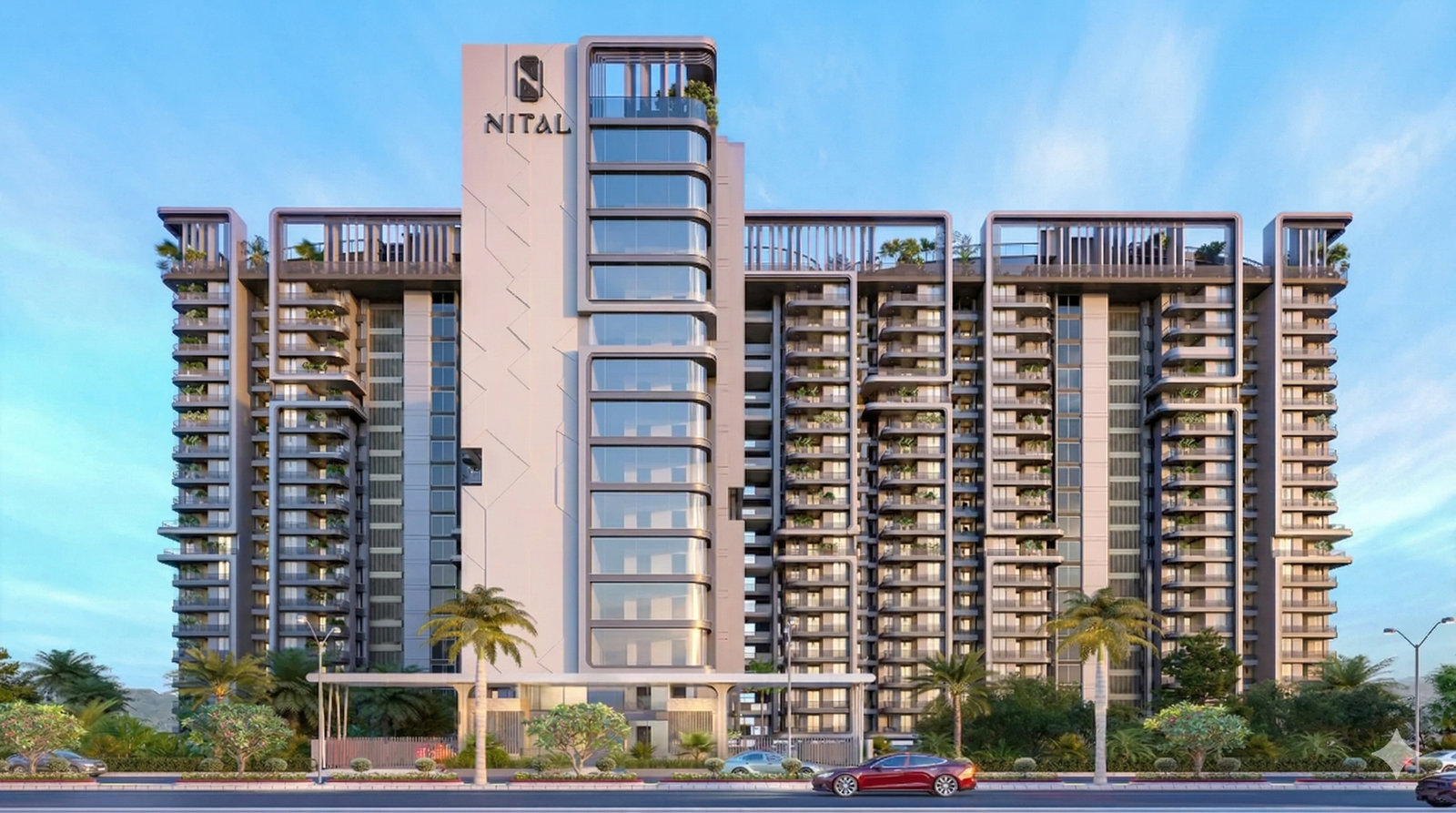
Ready to Find the Right Home Loan?
Every Aashish Group residence — whether under construction, in active handover, or fully delivered — sits at a different point on the financing map covered above. Our advisory desk can walk you through exactly which loan structure applies to a specific unit, and share a condensed reference version of this guide.
Get in Touch →This guide is educational and does not constitute financial advice. Loan approval, rate, and tenure are subject to individual lender assessment.