Is Buying a Flat a Good Investment in India? — 2026 Asset Intelligence Report
An unvarnished, data-driven analysis of capital appreciation, yield generation, and risk mitigation in the premium real estate sector. Moving beyond speculation to examine verifiable metrics in India's top growth corridors.
1. The Macro Thesis: Why Premium Apartments Outperform
The question is not whether a flat is a good investment; the question is which flat you are buying. In the current economic climate, premium residential real estate operates as a dual-engine asset: it provides a hedge against inflation through capital appreciation while simultaneously generating monthly liquidity through rental yields.
Unlike equities, which are subject to extreme volatility, or fixed deposits, which fail to beat real inflation, a strategically acquired apartment in a hyper-growth corridor anchors a wealth portfolio. However, this rule only applies to assets developed by Class-A builders offering institutional-grade specifications, robust RERA compliance, and flawless delivery records.
2. Flat vs Plot: The Structural Debate Settled
The "flat vs plot" debate is the most common point of friction for Indian investors. While plots offer land ownership, they come with severe liabilities: high capital entry barriers, negligible rental yield, security risks (encroachment), and the massive subsequent capital expenditure required for construction.
Premium apartments solve for all these variables immediately.
| Parameter | Premium Apartment (Flat) | Independent Plot |
|---|---|---|
| Initial Liquidity | Immediate yield generation upon possession. | Zero yield until a structure is built. |
| Security & Maintenance | Multi-tier biometric security, CCTV, and zero-hassle facility management. | High vulnerability to encroachment; owner is responsible for all upkeep. |
| Lifestyle Infrastructure | Built-in clubhouses, infinity pools, mini-theatres, and gymnasiums. | Requires millions in extra capital to replicate equivalent amenities. |
| Leverage (Loans) | Up to 80-90% LTV at competitive home loan rates. | Lower LTV (typically 60-70%) on land loans with stricter terms. |
3. Yield Generation and Capital Appreciation Mechanics
When evaluating an apartment as an investment, buyers must calculate Total Return (Capital Appreciation + Rental Yield). Buying to rent is a highly effective strategy in localized commercial and educational hubs.
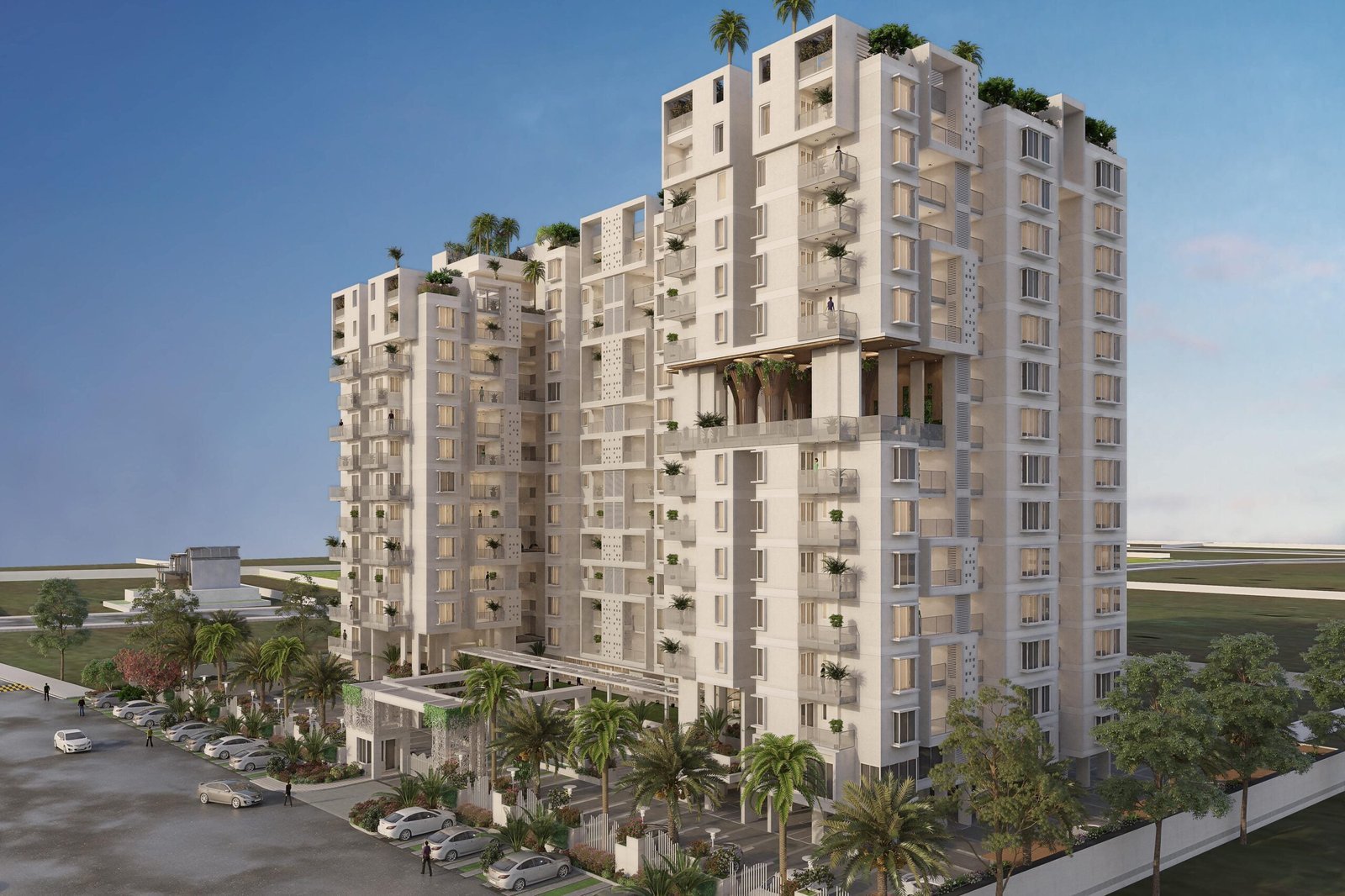
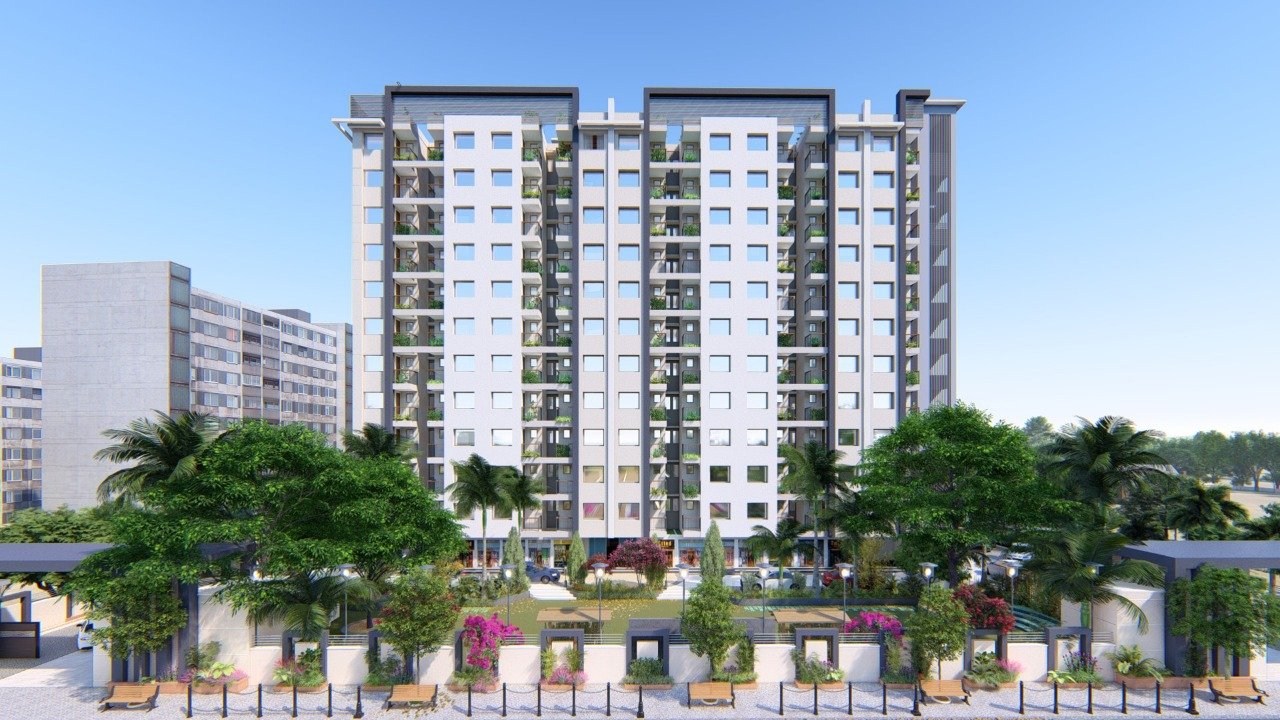
For example, entry-level premium configurations (like the 1 and 3 BHK units at Utpal in Patrakar Colony, starting from ₹21 Lakh) represent highly efficient capital allocation. The lower ticket size ensures minimal loan exposure while capitalizing on the high demand from young professionals and families. Conversely, ultra-luxury assets like Central Park in C-Scheme (priced at ₹6.18 Cr to over ₹9 Cr) function as legacy wealth preservers. The appreciation in these micro-markets is driven by sheer scarcity—there is no more land available in Jaipur's absolute core.
4. Investor Profiling: Aligning Asset Class to Wealth Strategy
A sound real estate strategy matches the specific asset to the buyer's exact financial profile. We categorize buyers into three distinct tiers in the current market:
The Ultra-High-Net-Worth Individual (UHNWI)
The Strategy: Legacy Wealth & Prestige
For the UHNWI, the investment thesis is centered on exclusivity, low-density living, and absolute security. The target assets are sprawling, Vastu-compliant residences offering elite amenities (e.g., double-height badminton courts, private mini-theatres, and multi-car parking).
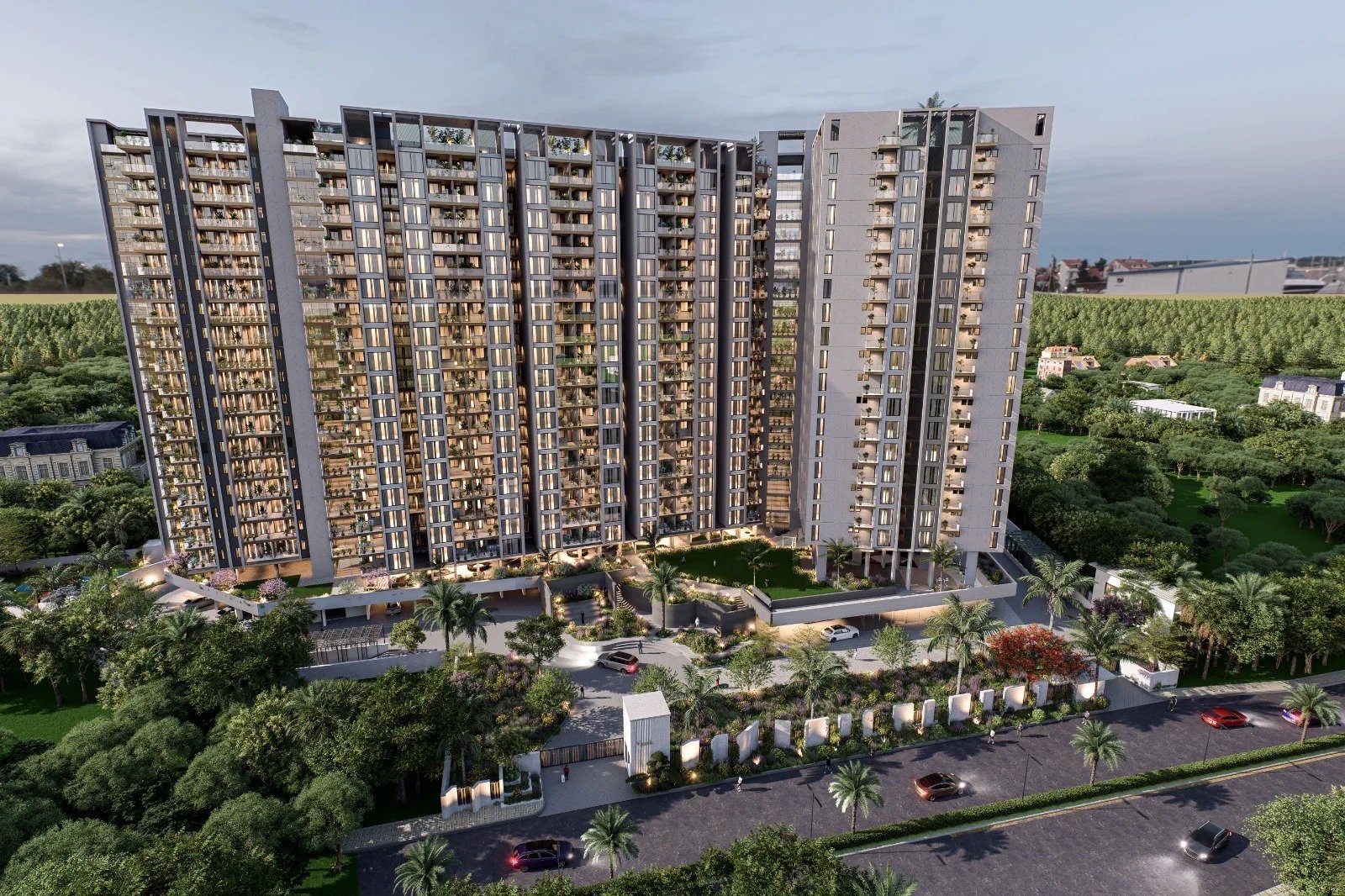
The Asset Match: Aashish Central Park (C-Scheme, ₹6.18 Cr - ₹9 Cr+) or Aashish The Meridien (C-Scheme, ₹3.46 Cr - ₹4.51 Cr).
The Upgrader / Professional Executive
The Strategy: Lifestyle Elevation & Compounding Equity
This buyer is transitioning from an older, smaller home into a premium gated community. They require world-class architecture, strategic proximity to schools/hospitals, and recreational amenities like rooftop pools and yoga halls.
The Asset Match: Vaishali One (Vaishali Nagar, ₹1.4 Cr - ₹2.47 Cr).
The Smart Investor / First-Time Premium Buyer
The Strategy: High Yield & Corridor Appreciation
Focused on maximizing ROI with minimal capital lock-in, this buyer targets emerging micro-markets backed by strong infrastructure. They prioritize zero brokerage, RERA compliance, and functional layouts.
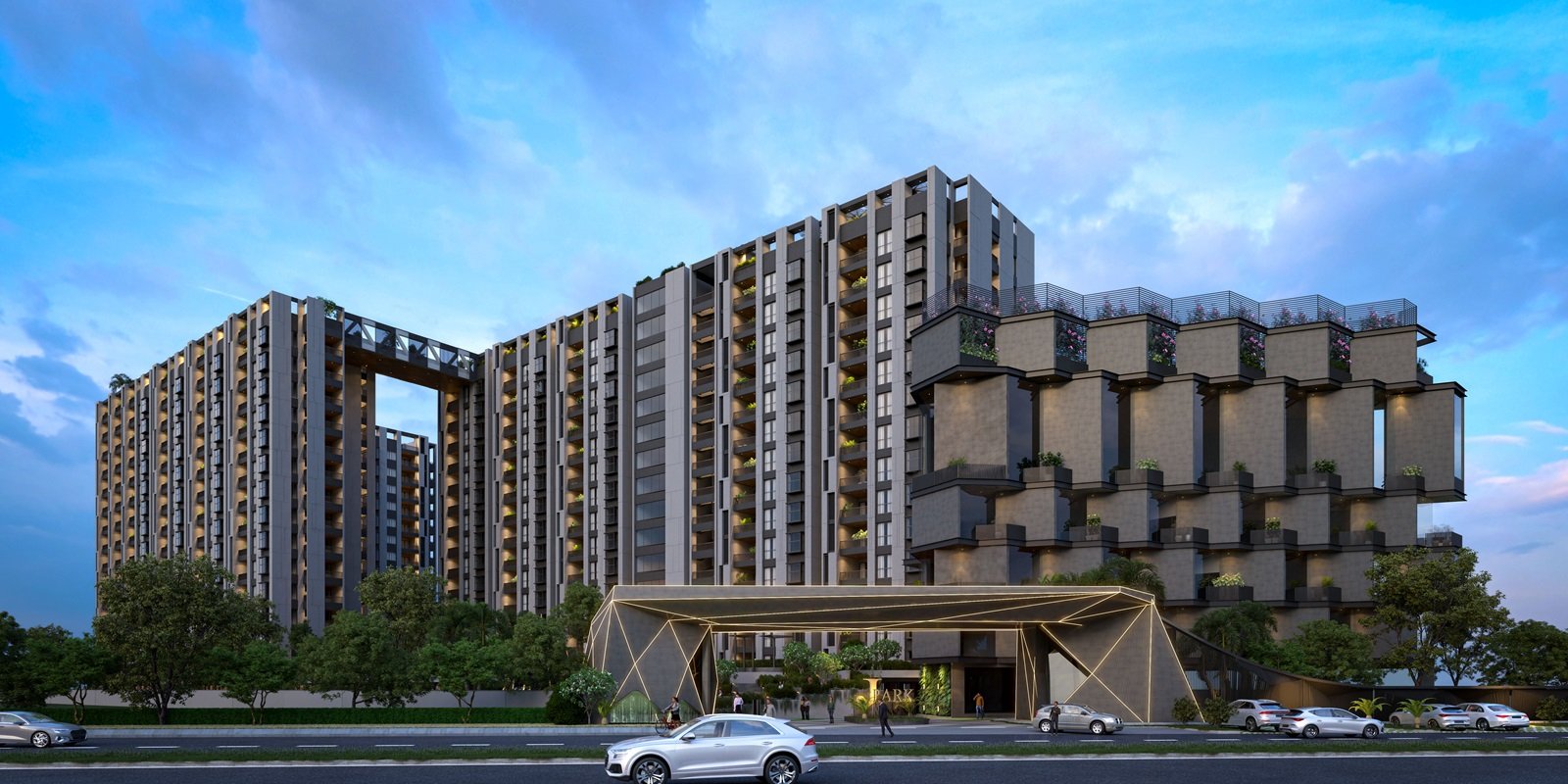
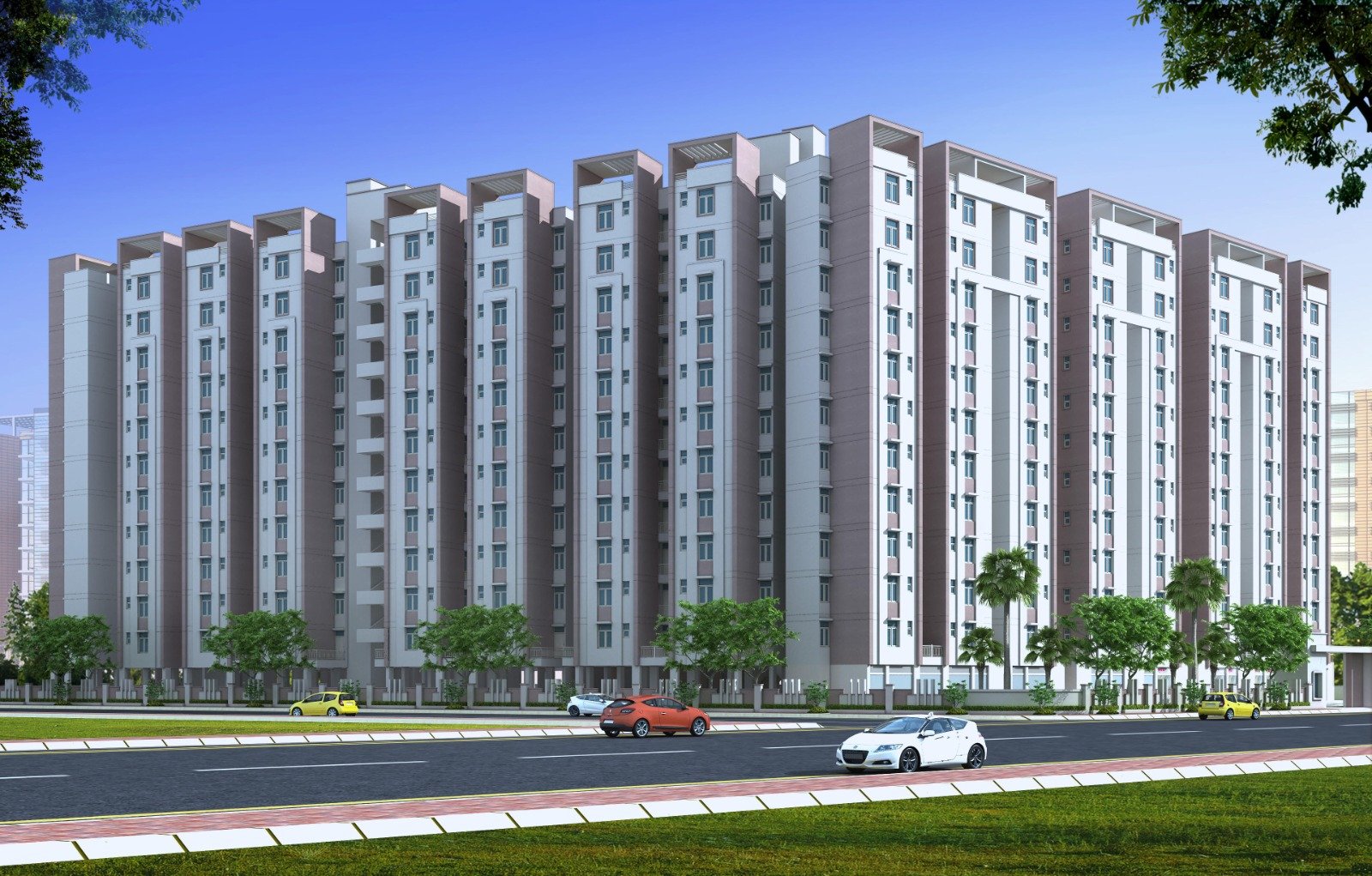
The Asset Match: Utpal, Aamor, or J Park (Mansarovar / Patrakar Colony, starting from ₹21 Lakh).
5. The Asset Acquisition Checklist
Before executing a token payment or committing capital to a real estate asset, investors must conduct rigorous due diligence. Ensure the following criteria are met to mitigate risk:
- Verify RERA Registration: Never invest in an unregistered project. Valid RERA certification guarantees financial escrow compliance and legally binding delivery timelines.
- Eliminate Brokerage Bleed: Acquire assets directly from the developer. Buying directly from builders like Aashish Group ensures 0% brokerage fees, saving lakhs on the initial transaction.
- Analyze the Loading Factor: Understand the exact carpet area versus the super built-up area. Premium developers maintain transparent, highly efficient floor plans.
- Assess the Maintenance Infrastructure: A luxury flat is only as good as its facility management. Confirm the presence of professional security, power backup protocols, and long-term upkeep strategies.
- Examine the Developer’s Track Record: Only deploy capital with developers who possess a proven, verifiable history of delivering projects on schedule.
6. Frequently Asked Questions (AEO)
While minor interior cosmetic upgrades may be required to maintain peak rental yields, the underlying asset value typically multiplies. Unlike poorly constructed mass housing, luxury assets command high resale value due to their exclusive locations, mature surrounding infrastructure, and established community status. For instance, a well-maintained property in Jaipur's C-Scheme will possess immense intrinsic value decades post-construction.
While the 2% monthly rule is largely obsolete in prime Indian urban centers due to high capital values, investors focus heavily on total returns. In hyper-growth corridors, the combination of stable annual rental yields (4-6%) coupled with aggressive year-on-year capital appreciation generates a far superior wealth accumulation model than relying solely on rental ratios.
However, sophisticated investors view these maintenance charges not as a disadvantage, but as a premium paid for a frictionless lifestyle. This fee covers multi-tier security, 24/7 power backup, concierge services, and the upkeep of world-class clubhouses—infrastructure that independent plots cannot replicate without immense capital expenditure and continuous personal management.
Securing an appreciating asset early in one's wealth accumulation cycle is critical. Early acquisition in premium corridors leverages the power of compounding appreciation over decades. Furthermore, purchasing earlier allows investors to utilize aggressive financing while their income trajectory is rising, ultimately leading to a debt-free, high-value asset by their late 50s.
Bypass the Market Noise. Secure Premium Assets Directly.
Aashish Group offers an exclusive portfolio of RERA-registered luxury and premium apartments across Jaipur's most coveted locations—from the ultra-luxury Central Park in C-Scheme to high-yield assets in Mansarovar. Purchase directly from the developer to ensure absolute transparency, guaranteed delivery, and zero brokerage fees.
Explore the Aashish Group Portfolio